
Services
Put your best foot forward.
We offer specialised care that seeks to improve the health and wellbeing of our patients. However, we are unable to offer all services due to the restrictions involved in providing care in your home.
Cutting and filing nails
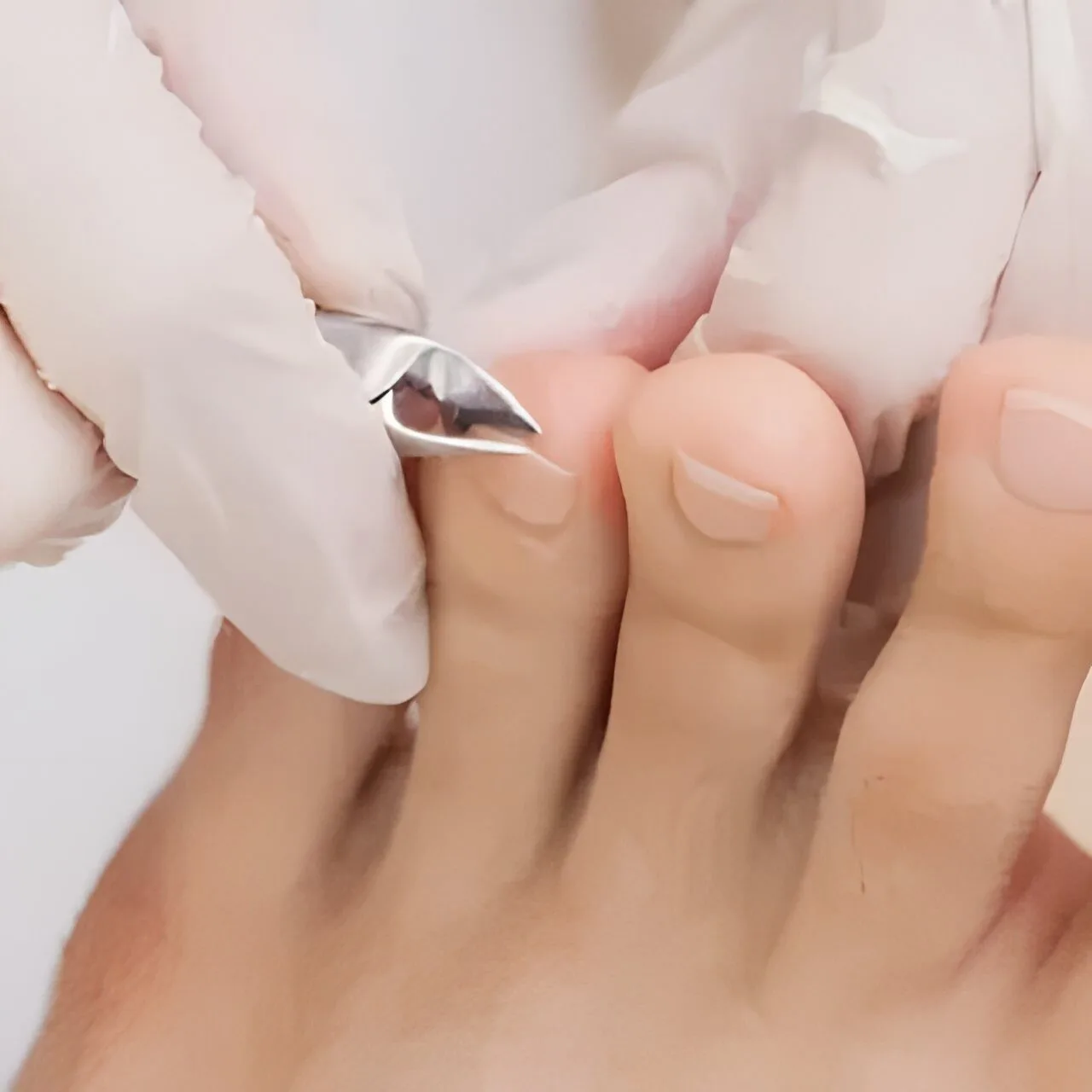
Discoloured nails, or grifotic nails, can be caused by a variety of factors, ranging from infections such as onychomycosis (nail fungus) to health problems or injuries. It is important to identify the cause in order to provide appropriate treatment, as some discolouration can be indicative of more serious problems.
Callus debridement
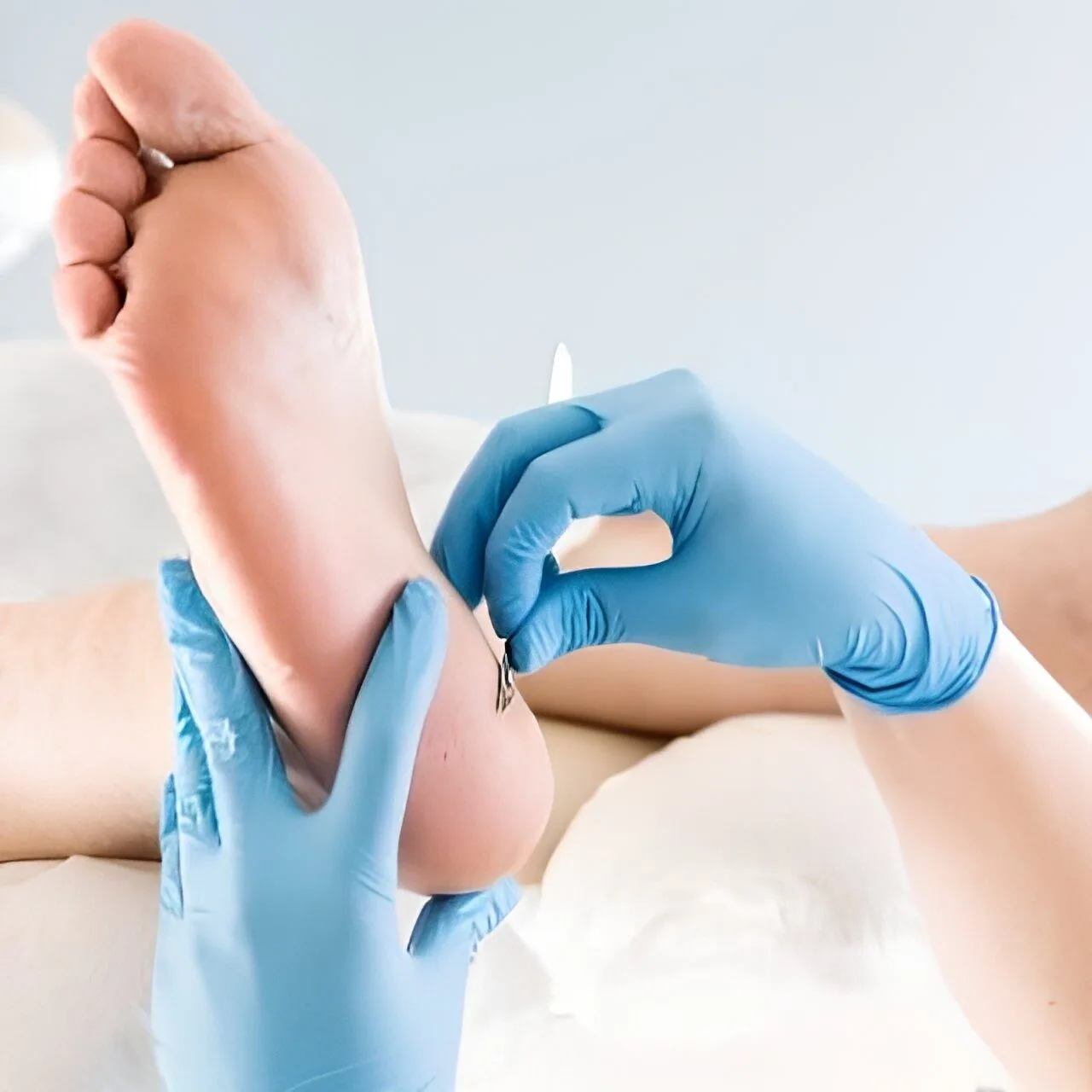
Callus debridement is a fundamental procedure in podiatry that seeks to remove excess calloused tissue that forms on the skin of the feet. This treatment not only improves the appearance of the foot, but also helps prevent discomfort and complications, especially in diabetic patients or those with circulatory problems.
Personalised advice
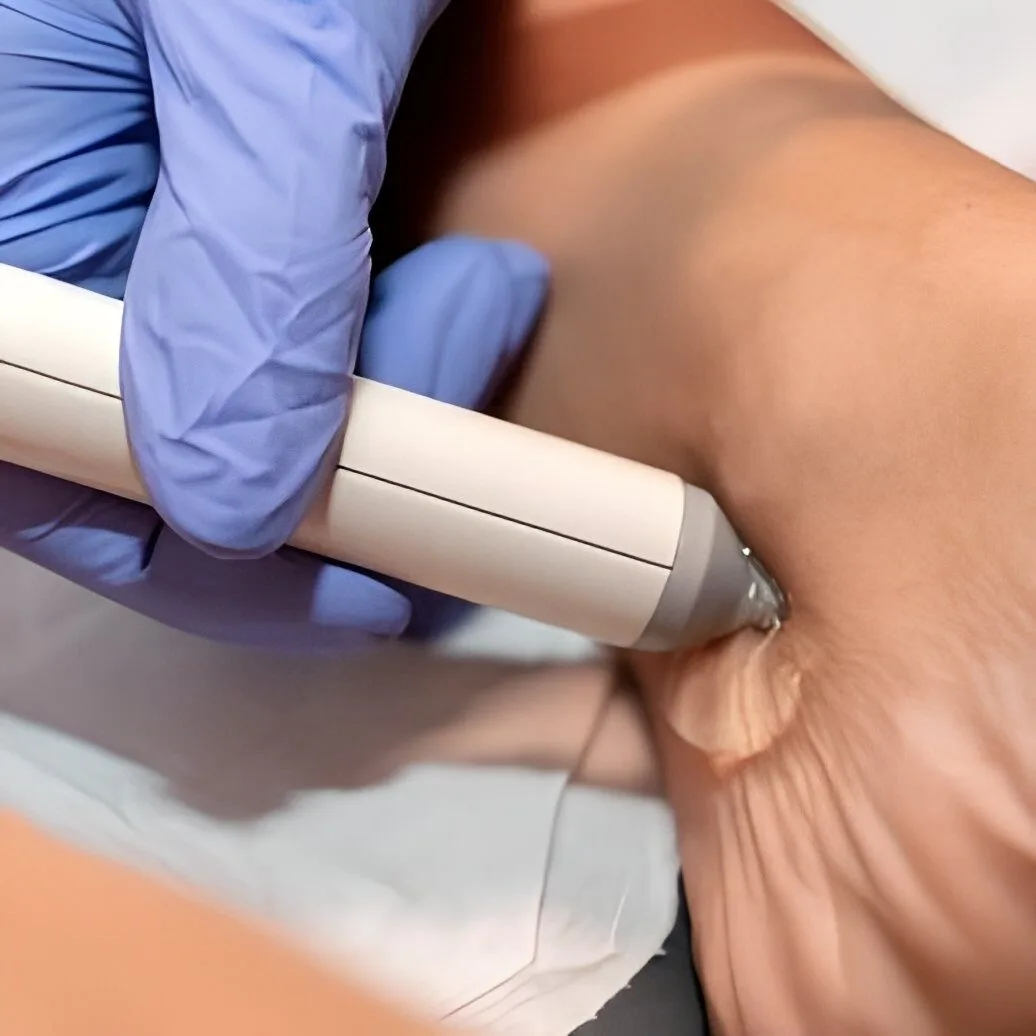
A podiatrist can offer guidance on proper care, injury prevention, and treatment for various conditions. Do not hesitate to ask about problems such as diabetic foot, fungal infections, plantar fasciitis, or different types of footwear, as early diagnosis can make a difference to your well-being.
Treatment of ulcers and wounds, diabetic foot, dermatological and nail infections, nail cutting and filing, calluses, nail surgery, wart treatment, biomechanical study, plantar warts, pain of any kind, guidance and advice.
Ingrown toenail (onychocryptosis)
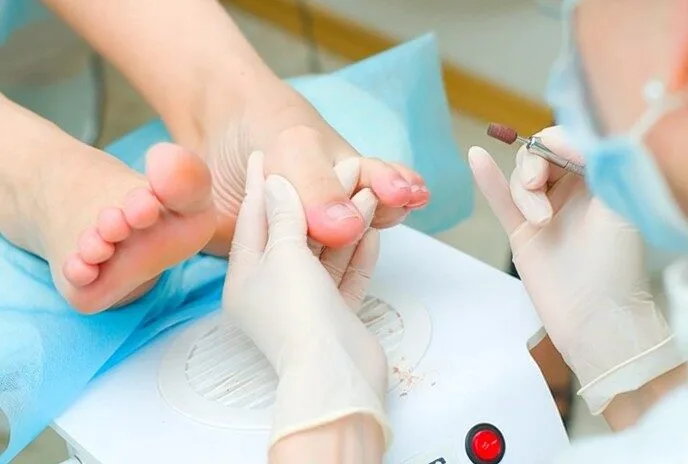
Onychocryptosis, commonly known as an ingrown toenail, is a common condition in podiatry that occurs when the side edge of a nail grows into the skin, causing pain, inflammation and even infection. This problem can be caused by improper nail cutting, wearing tight-fitting shoes or genetic conditions. In podiatry, treatment can range from conservative measures, such as correcting footwear and nail care, to surgical interventions in severe cases, to relieve pain and prevent future complications.
Nail and skin infections
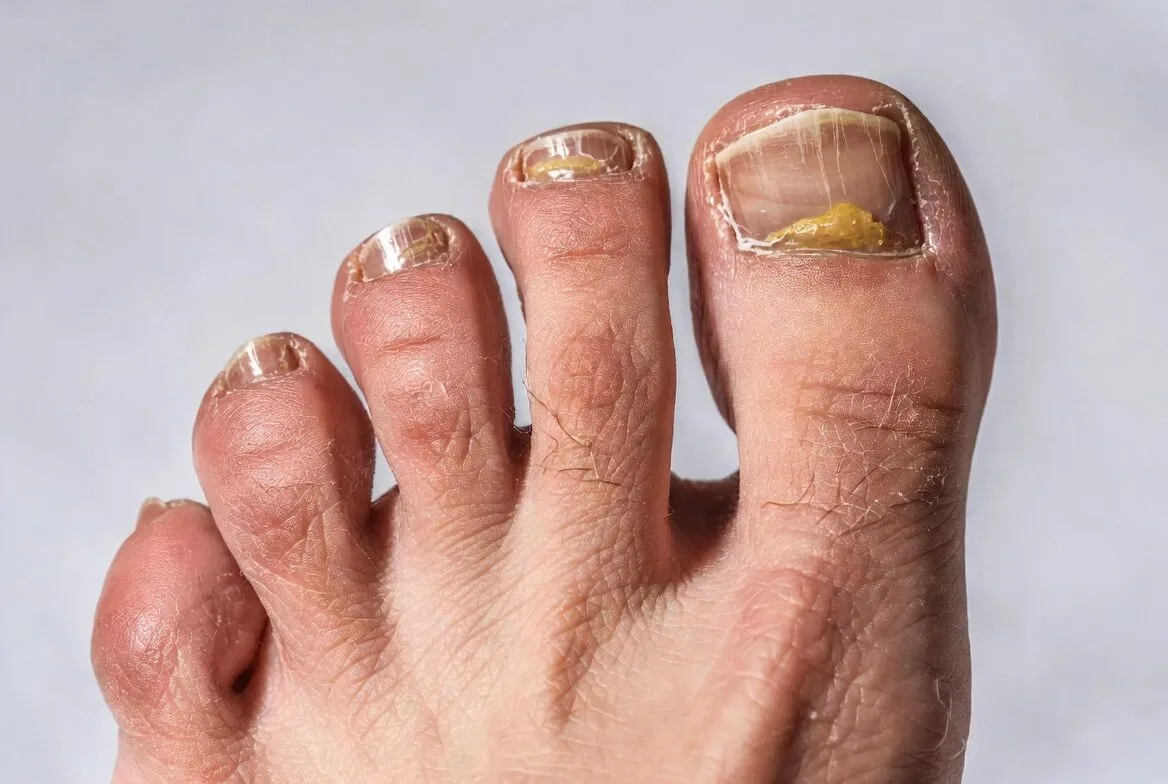
Foot infections are common conditions that affect many people. These infections can be caused by fungi, bacteria, or viruses and usually manifest with symptoms such as redness, swelling, itching, and changes in the appearance of the nails and skin. Onychomycosis, a fungal infection of the nails, is one of the most common and can cause significant discomfort, as well as affect the patient’s mobility and quality of life. It is important to make an accurate diagnosis and propose effective treatments, which may include topical or oral medications, as well as personal care recommendations to prevent future infections.
Diabetic foot
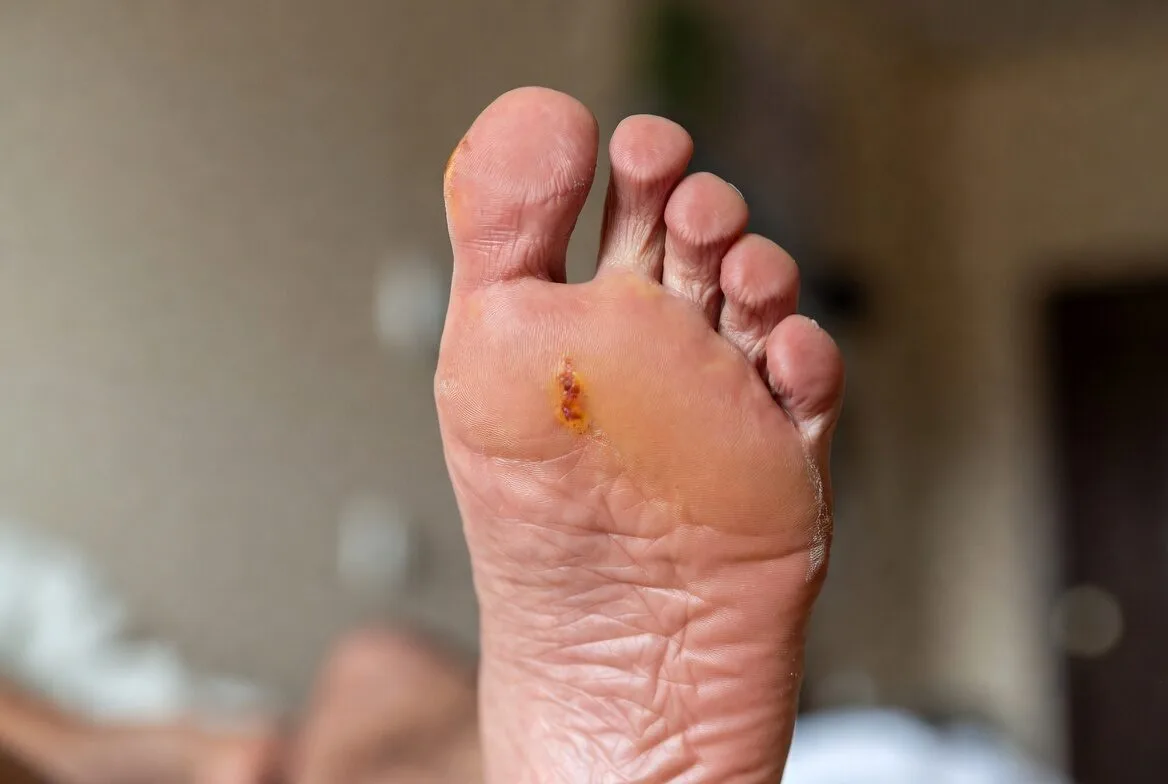
Diabetic foot is a common complication in people with diabetes, and proper management is essential to prevent serious problems. In the field of podiatry, regular check-ups are essential for early detection of any changes in foot health. During these assessments, circulation, sensitivity and skin condition are examined, as well as the patient’s footwear. Regular monitoring helps to identify injuries or infections, allowing for timely intervention and improving the quality of life of diabetic patients. Therefore, it is recommended that people with diabetes have podiatric check-ups at least once a year, or more frequently if they have any abnormalities or risk factors.